-
Is OneLaunch malware? Risks, concerns, and how to remove it
OneLaunch isn’t malware; it’s a legitimate desktop application that provides a customizable browser experience. Some users first become aware of it after noticing changes to their browser’s home...
-
What is EDR in cybersecurity? The ultimate breakdown
A security breach isn’t always obvious. Instead, small signals can show up first: an unusual process, an unauthorized login, or a device behaving differently. Endpoint detection and response (EDR) t...
-
How to prevent packet sniffing attacks
Packet sniffing is a fundamental network analysis and troubleshooting technique, but it’s also popular among malicious actors. When cybercriminals capture packets moving through a network, they can ...
-

Remote access Trojan (RAT): What it is and how to stay protected
A remote access Trojan (RAT) is a type of Trojan horse malware that gives attackers remote control over a device without the user’s knowledge or consent. Once installed, it can monitor activity, ste...
-
What is DarkSide ransomware, and how does it work?
DarkSide was a cybercriminal group that operated a Ransomware-as-a-Service (RaaS) model. First emerging in the latter half of 2020, the group developed the DarkSide ransomware and leased it to affilia...
-
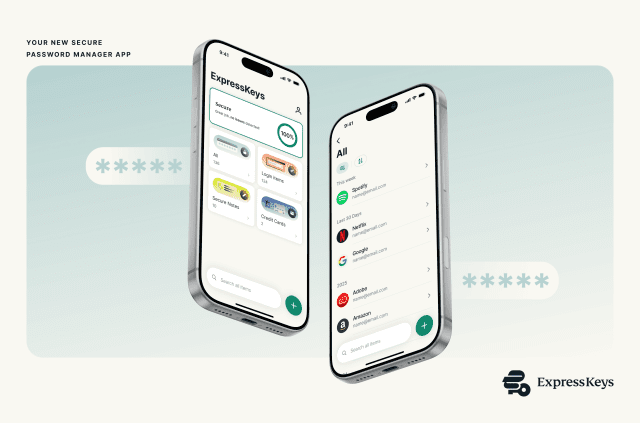
Meet ExpressKeys, a new home for your passwords
Your connection and your credentials serve different needs. Now they have distinct apps. Keys has been a trusted feature inside the ExpressVPN app. It’s now upgrading to ExpressKeys, a dedica...
-
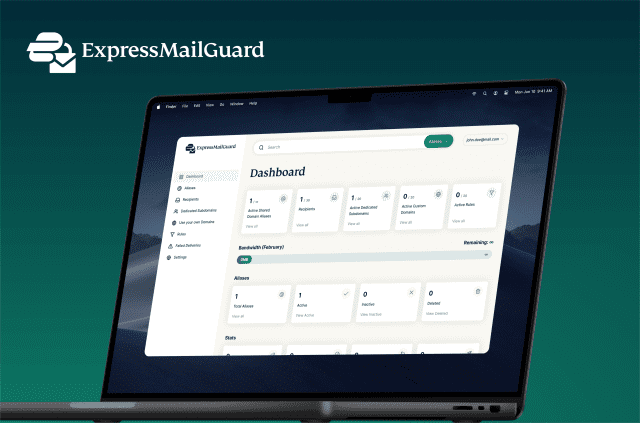
Introducing ExpressMailGuard: Email privacy, built for how the internet actually works
Most services still require your real email address. We built ExpressMailGuard so you don’t have to give it up just to sign up. Email has become the internet’s default identifier, even when...
-
Understanding Ticketmaster scams: Your complete guide to staying safe
Ticketmaster itself is generally a safe and legitimate platform, but scammers often exploit the intense demand for popular and sold-out events. By impersonating Ticketmaster or redirecting buyers to u...
-
How to protect your Linux system from malware attacks
Linux is generally very secure, thanks to its strong permission model, mandatory access control, open-source scrutiny, and secure authentication controls. Its design is also less complex than Windows ...
-
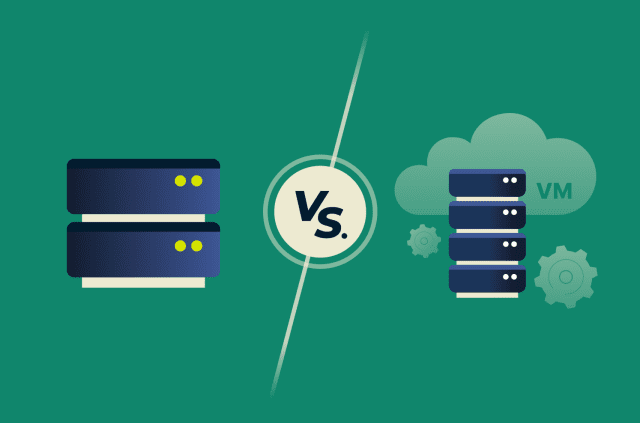
Virtual server vs. physical server: Key differences explained
The server setup you choose affects reliability, scalability, and cost. Virtual and physical servers solve different problems, so it’s worth understanding the trade-offs before you commit. In this g...
Featured




 Support Center
  FAQ
FAQ  VPN Setup Tutorials